Free Shipping All Around Indonesia
Generic selectors
Exact matches only
Search in title
Search in content
Post Type Selectors

What are Lab-Grown Diamonds?

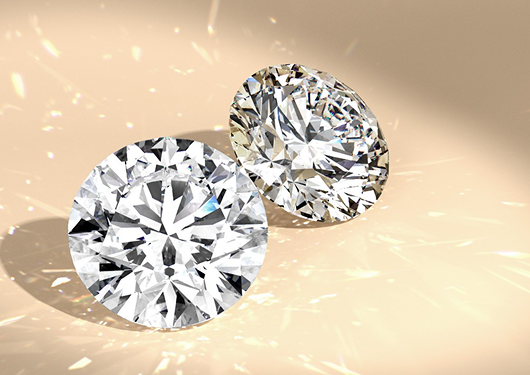
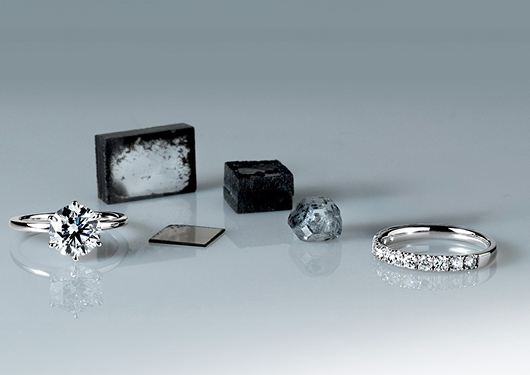
Lab-grown diamonds (also called lab-created) are produced in meticulously controlled lab settings using advanced technology that replicates the natural formation conditions found in the Earth's mantle. These diamonds are composed of real carbon atoms arranged in the typical diamond crystal structure. As they are made from the same material as natural diamonds, they share identical optical and chemical properties.
Emerald
Pear
Marquise
Princess
Cushion
Radiant
Asscher
Heart
Triangle
Oval
Round

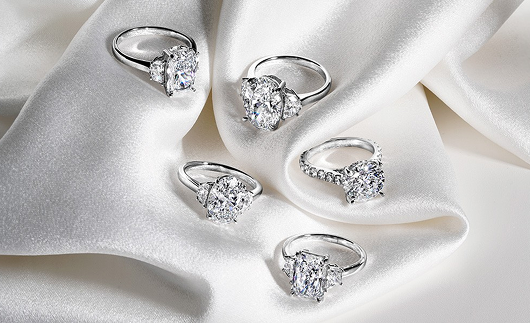
Explore Exquiste Lab-Grown Engagement Rings

Explore a range of stunning designs, from classic solataires to dazzling halos, all meticulously set in luxurious 18k gold. IGI & GIA Certified: Every ring comes with a trusted certification for peace of mind.l
1. Carat
2. Clarity
3. Color
4. Cut
5. Certificate

What is Diamond Carat Size?

“Carat” is the term to describe the weight of a diamond. One carat equals 0.2 grams. Carat weight directly correlates with the size of the diamond, with larger carat weights typically resulting in bigger diamonds. 

What is Diamond Carat Size 2?

Lorem ipsum dolor sit amet consectetur, adipisicing elit. Ipsum recusandae vero nostrum consequuntur impedit excepturi quia nihil ex fugiat tenetur similique voluptatum quibusdam cum, sed nobis velit possimus. Possimus, quod

What is Diamond Carat Size 3?

Lorem ipsum dolor sit amet consectetur, adipisicing elit. Ipsum recusandae vero nostrum consequuntur impedit excepturi quia nihil ex fugiat tenetur similique voluptatum quibusdam cum, sed nobis velit possimus. Possimus, quod

What is Diamond Carat Size 4?

Lorem ipsum dolor sit amet consectetur, adipisicing elit. Ipsum recusandae vero nostrum consequuntur impedit excepturi quia nihil ex fugiat tenetur similique voluptatum quibusdam cum, sed nobis velit possimus. Possimus, quod

What is Diamond Carat Size 5?

Lorem ipsum dolor sit amet consectetur, adipisicing elit. Ipsum recusandae vero nostrum consequuntur impedit excepturi quia nihil ex fugiat tenetur similique voluptatum quibusdam cum, sed nobis velit possimus. Possimus, quod

How Lab-Grown Diamonds are Made?

Lab-grown diamonds originate from small carbon seeds of existing diamonds. Using advanced technology, scientists replicate natural diamond formation through extreme pressure and heat. Within six to ten weeks, a rough diamond is created, which is then cut, polished, and set into lab diamond jewelry like rings, earrings, necklaces, or bracelets.

Lab-Grown Diamonds vs
Diamond Simulants

It’s crucial to understand the key difference between lab-grown diamonds and diamond simulants. Lab-grown diamonds are made from carbon, identical to natural diamonds. In contrast, diamond simulants resemble diamonds but are not composed of true carbon crystals.

Two common diamond simulants are moissanite and cubic zirconia.
Moissanite: Moissanite often has a more pronounced rainbow glint compared to the bright sparkle of traditional diamonds.
Cubic Zirconia: Cubic zirconia (CZ) is another synthetic crystal used as a diamond substitute. It can show wear and become cloudy over time.

Conclusion: Cubic zirconia and moissanite are not diamonds, they are made to resemble the look of a diamond. Simulants lack the chemical and physical properties of natural diamonds and are therefore much cheaper than lab-grown diamonds. They can be identified from natural or lab-grown diamonds with the naked eye.

Natural and lab-grown diamonds possess thermal conductivity properties that differentiate them from cubic zirconia when using a handheld diamond tester. However, gemologists can usually distinguish between diamond and moissanite based on their refractive properties, with moissanite being double refractive and diamonds single refractive. Learn more about the differences between moissanite and diamonds.

The Primary Methods of Producing Lab-Grown Diamonds

High Pressure High Temperature (HPHT): This technique replicates the natural conditions of diamond formation within the earth. A large machine compresses carbon material under pressures exceeding 870,000 lbs. per square inch at high temperatures ranging from 1300 to 1600 degrees Celsius to produce the lab diamond.

Chemical Vapor Deposition (CVD): In this method, a seed diamond is placed in a small vacuum chamber filled with heated hydrogen and carbon-containing gases. At specific temperatures, these gas molecules break down, allowing layers of crystallized carbon to form around the seed, gradually growing into a larger diamond. Some CVD-grown diamonds may undergo additional pressure and heat treatments after their initial growth.

It is impossible to distinguish between natural diamonds, HPHT lab-grown diamonds, and CVD lab-grown diamonds with the naked eye.

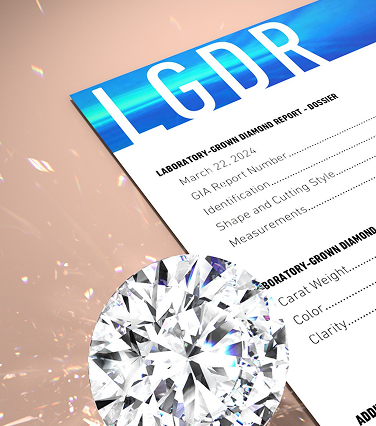
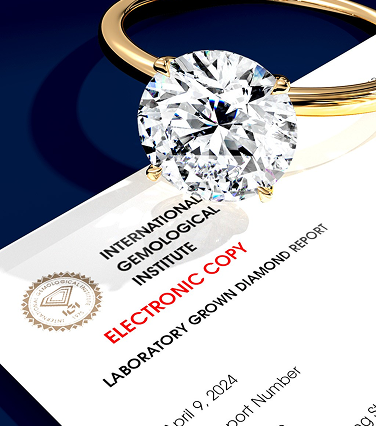
Diamond Certification

Lab-Grown Diamond FAQs

How much can I save by purchasing lab-grown diamonds?

Save up to 90% while purchasing lab-grown diamonds. Upsize your diamond while still saving so much. The more, the merrier.

Do the small diamonds come with certification as well?

Contrary to popular belief, Lorem Ipsum is not simply random text. It has roots in a piece of classical Latin literature from 45 BC, making it over 2000 years old. Richard McClintock, a Latin professor at Hampden-Sydney College in Virginia, looked up one of the more obscure Latin words,

Are lab grown diamonds fake? Do they come in some sort of certification?

Contrary to popular belief, Lorem Ipsum is not simply random text. It has roots in a piece of classical Latin literature from 45 BC, making it over 2000 years old. Richard McClintock, a Latin professor at Hampden-Sydney College in Virginia, looked up one of the more obscure Latin words,

What is the difference between lab-grown diamonds and natural diamonds?

Contrary to popular belief, Lorem Ipsum is not simply random text. It has roots in a piece of classical Latin literature from 45 BC, making it over 2000 years old. Richard McClintock, a Latin professor at Hampden-Sydney College in Virginia, looked up one of the more obscure Latin words,

Please rotate your phone to access the website